
With ICE Arrests Surging, Chicago Community Groups Build on Past Networks
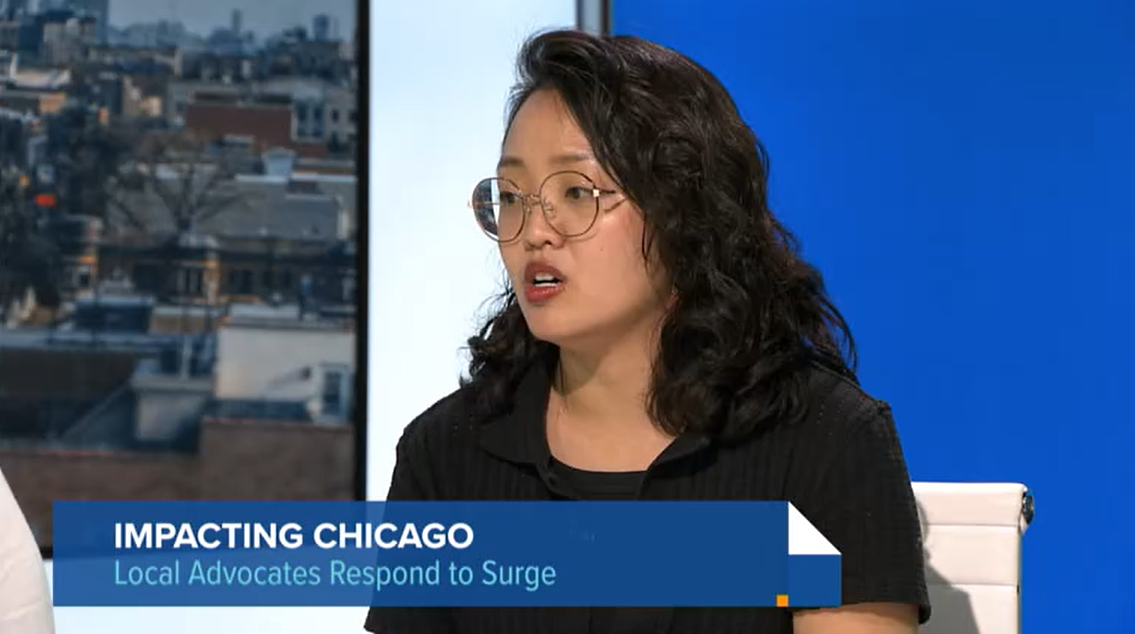
“What I love about Chicago is that we continue to show up strong for our neighbors,” said Ellen Zhou, a community organizer with Asian Americans Advancing Justice Chicago, a member organization of the Illinois Coalition for Immigrant and Refugee Rights. “Some of the infrastructure that was built — especially around mutual aid and these rapid response networks — continues.”
“And even though we don’t have the national attention in the same way before,” Zhou said, “the volunteers and neighbors who have stepped up during the fall continue to step up today.”
Facing Federal Funding Cuts, An Asian Coalition is Fighting to Protect Immigrant Services in Illinois
“We’re going to continue pushing for these bold revenue increases and these bold solutions because that’s what Illinois needs and what our communities need,” said Anooshka Gupta, organizing manager at Asian Americans Advancing Justice Chicago.
In prior years, Gupta said, AAA Day has been an opportunity for community members to push for landmark legislation supporting Asian American communities in Illinois. The PAVE Coalition has successfully advocated for a law making Illinois the first state in the country to require public schools to serve halal and kosher meals when requested and another requiring public schools to teach Asian American history, she said.
The theme for this year’s AAA Day was “Protect Our Futures.”
“We’re at this pivotal moment,” Gupta said. “We need real, bold action to protect our futures and make sure that we can all stay in Illinois and continue to live and thrive in Illinois.”
How Local Poll Watching Groups Are Preparing for the Primary Election Amid Concerns Over Federal Immigration Actions
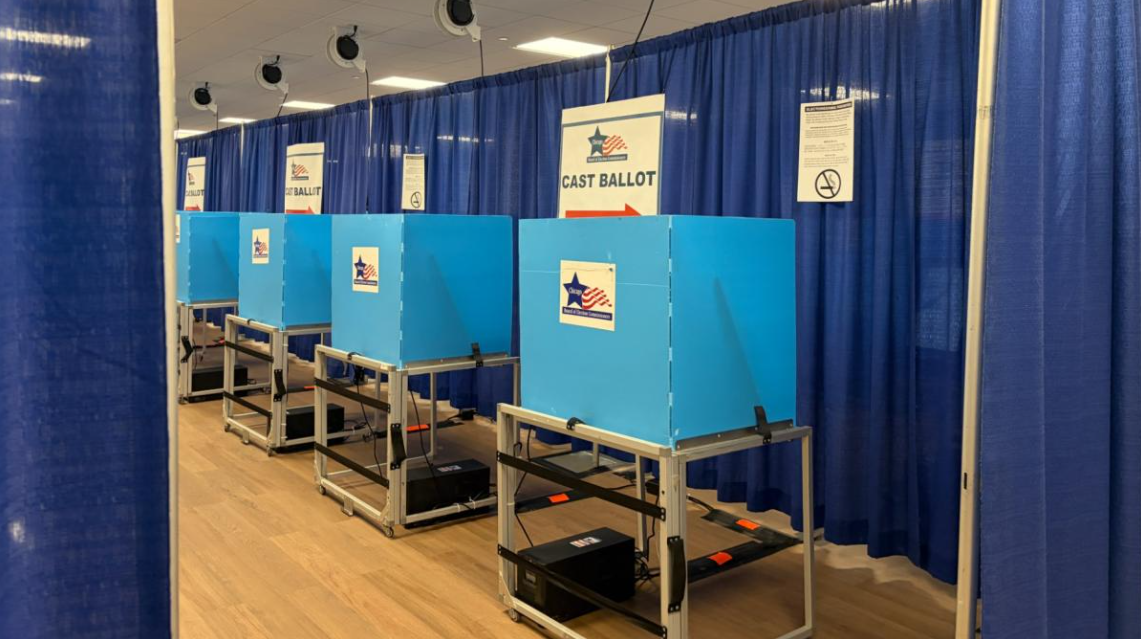
“When it comes to Election Day, we have found that most election judges are very receptive to feedback,” said Grace Pai, executive director of Asian Americans Advancing Justice Chicago. “Some election judges do this every election, and others may be new, and so we try to really bring an approachable and friendly, but still accountability-focused approach.”
Pai said her organization is concerned about federal immigration enforcement presence in Chicago during the election because law enforcement presence can deter people from going to the polls, especially given the difficulty sometimes of distinguishing between local law enforcement and federal immigration enforcement.
“Even though all voters are citizens, it’s still scary to pull up with the intention to cast your ballot and see flashing lights or to see an unmarked car or someone in a law enforcement uniform,” Pai said. “We’ve asked our poll watchers to keep an eye out for what they observe.”
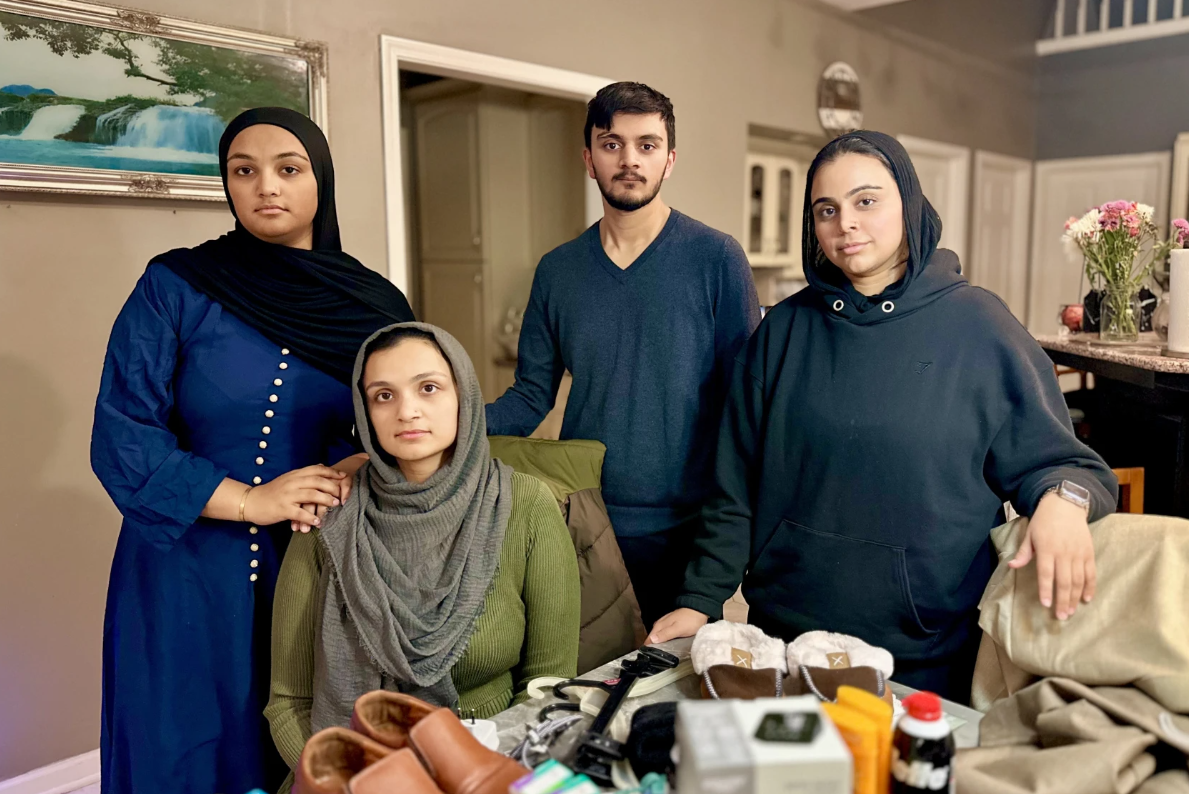
Chicago-area Asians were arrested in Operation Midway Blitz. They kept quiet about it, for a while
Grace Pai, executive director of Asian Americans Advancing Justice Chicago, said the lack of news coverage around Asians affected by Trump’s deportation campaign is in part because “media tends to be interested in the human story, and so when there are not families that are willing to speak up, it’s harder to get that coverage.”
Pai said fear, language barriers and past experiences of political oppression in their native countries all contribute to families’ reticence to speak not just with the media but even within their own communities.
She added there is also shame and stigma, a “hyperawareness of that public judgment or perception, especially because so many immigrant communities are very tight-knit.”

Chicagoans with birthright citizenship fear for ‘future of millions of others like me’ after Trump's order
“It is an attack on immigrant families,” Wang said of Trump’s order. “It affects people like myself, and I think of the fact that there is no other country that I know other than the United States. This is my home, it’s been my home forever.”
Wang, 25, has many immigrant friends — documented and undocumented — who he said “constantly fear” running a red light or missing a stop sign because it could mean “risking their ability to be in this country that is the only country they know.” They shouldn’t feel afraid in those situations, he said, adding that they instead should benefit from the freedoms that come with being a citizen.
“Part of what being a citizen means it’s easier for me to start a business, to apply for college,” said Wang, who also volunteers with the organization Asian Americans Advancing Justice. “It’s easier for me to have stability, just mundane things that I really just often don’t notice because you don’t think about it. … It’s being able to participate in society.”
Pai said fear, language barriers and past experiences of political oppression in their native countries all contribute to families’ reticence to speak not just with the media but even within their own communities.
She added there is also shame and stigma, a “hyperawareness of that public judgment or perception, especially because so many immigrant communities are very tight-knit.”
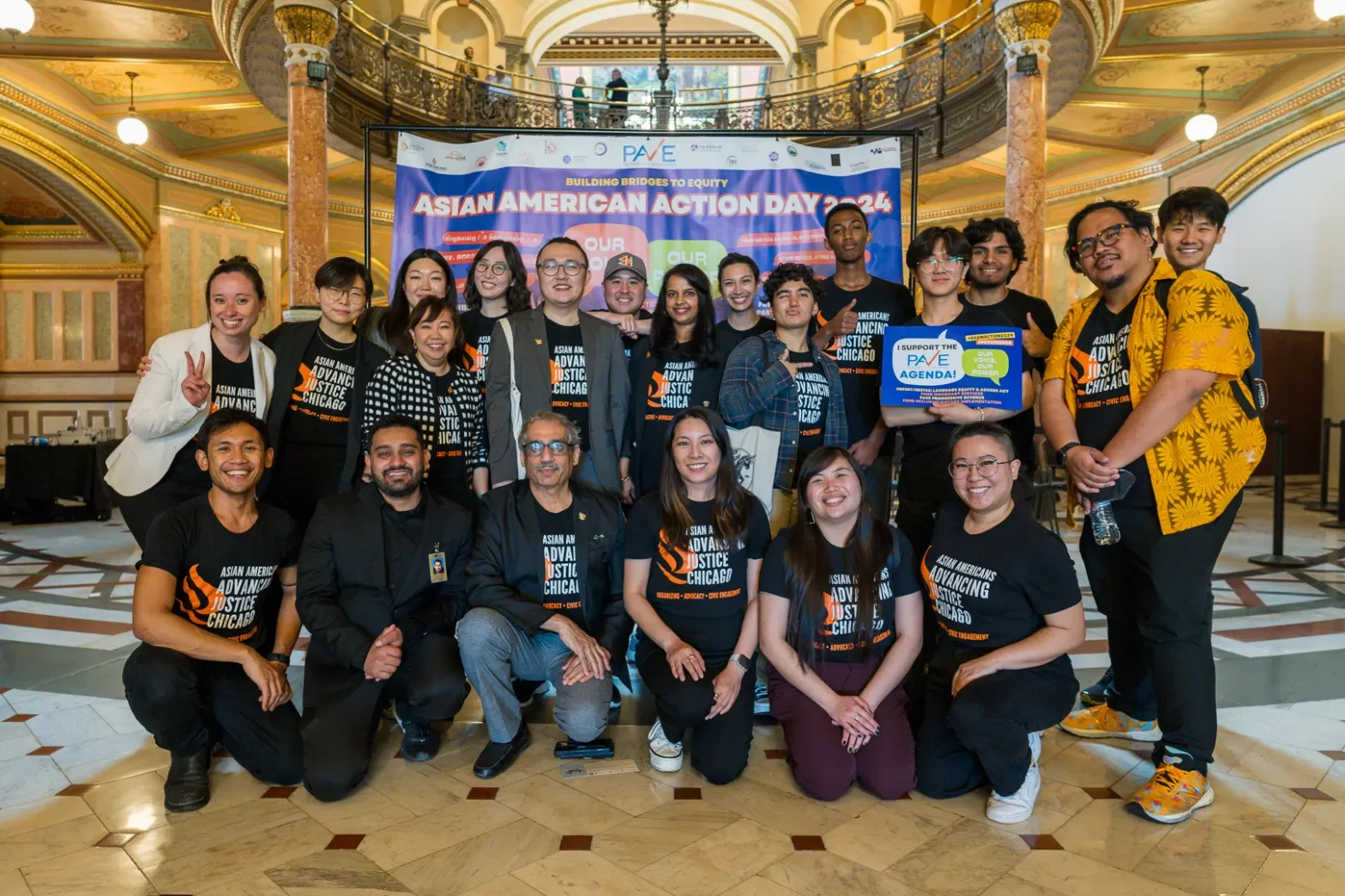
New Law Will Ensure Nearly 1 Million Asian Americans Can Access Vital State Services In Native Languages
Passing legislation to ensure language justice has been a conversation for the past few years, said Grace Pai, executive director of Asian Americans Advancing Justice | Chicago. Before the COVID-19 pandemic, Pai’s organization collaborated with other groups focused on equitable language access, including ones representing African immigrants, Arab Americans and Latinos, she said.
But the pandemic forced many of these organizations to put the issue on the backburner as they shifted gears to supporting their communities, Pai said. During the early days of the pandemic, many limited English-proficient individuals struggled to navigate state services, including health care and unemployment, she said.
“COVID-19 showed us that lots of Asian American community members are just left out and are not able to access vital information or services that they need,” Pai said. “Unfortunately, it deters people from seeking services when they need help, if they feel like they’re going to have a really hard time navigating those services, or that they won’t be able to go through that process with dignity.”
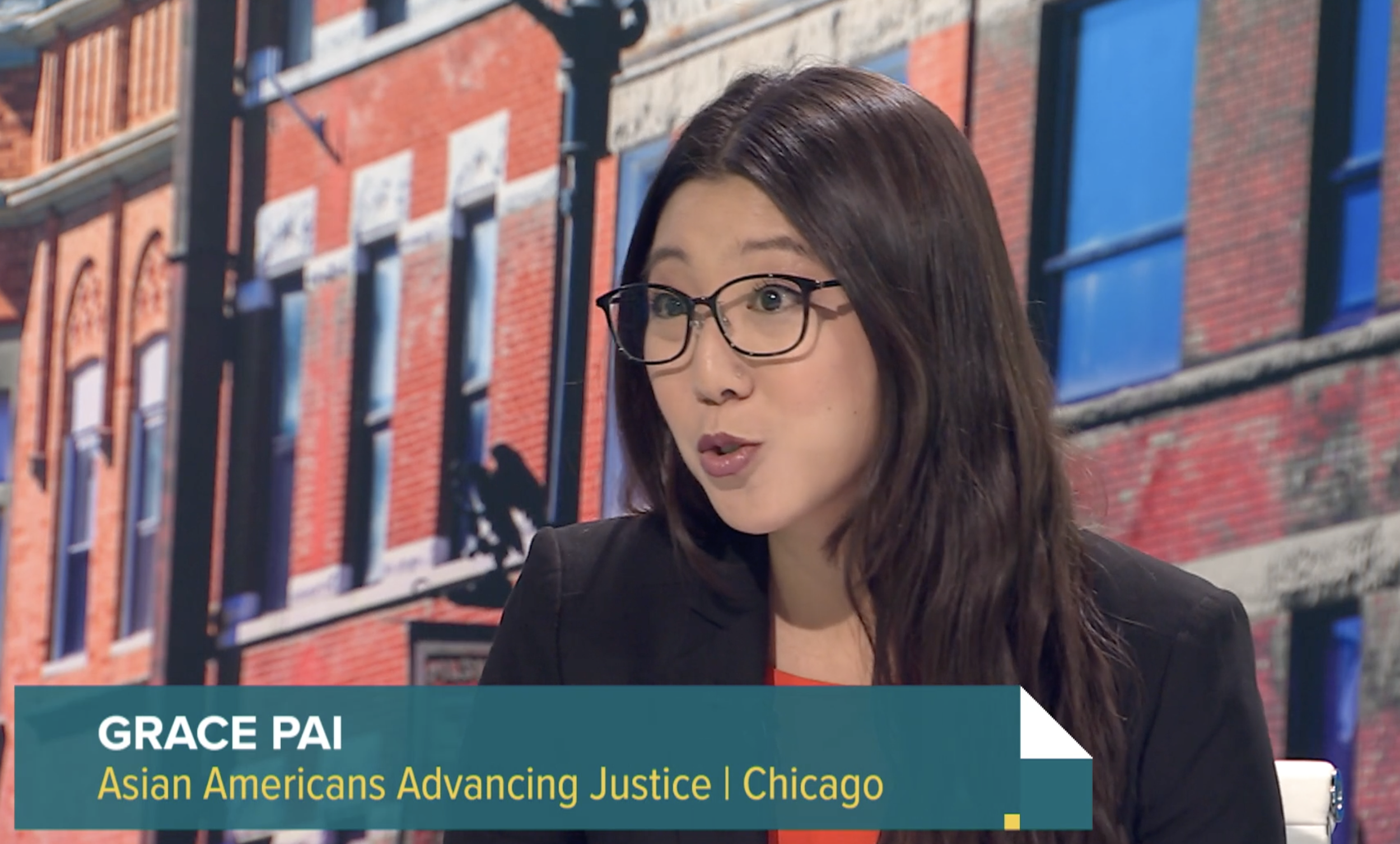
Chicago Tonight: Latino Voices | Bill Would Help Non-English Speakers Access Services
A bill going through Springfield could eliminate language barriers for many Illinoisans.
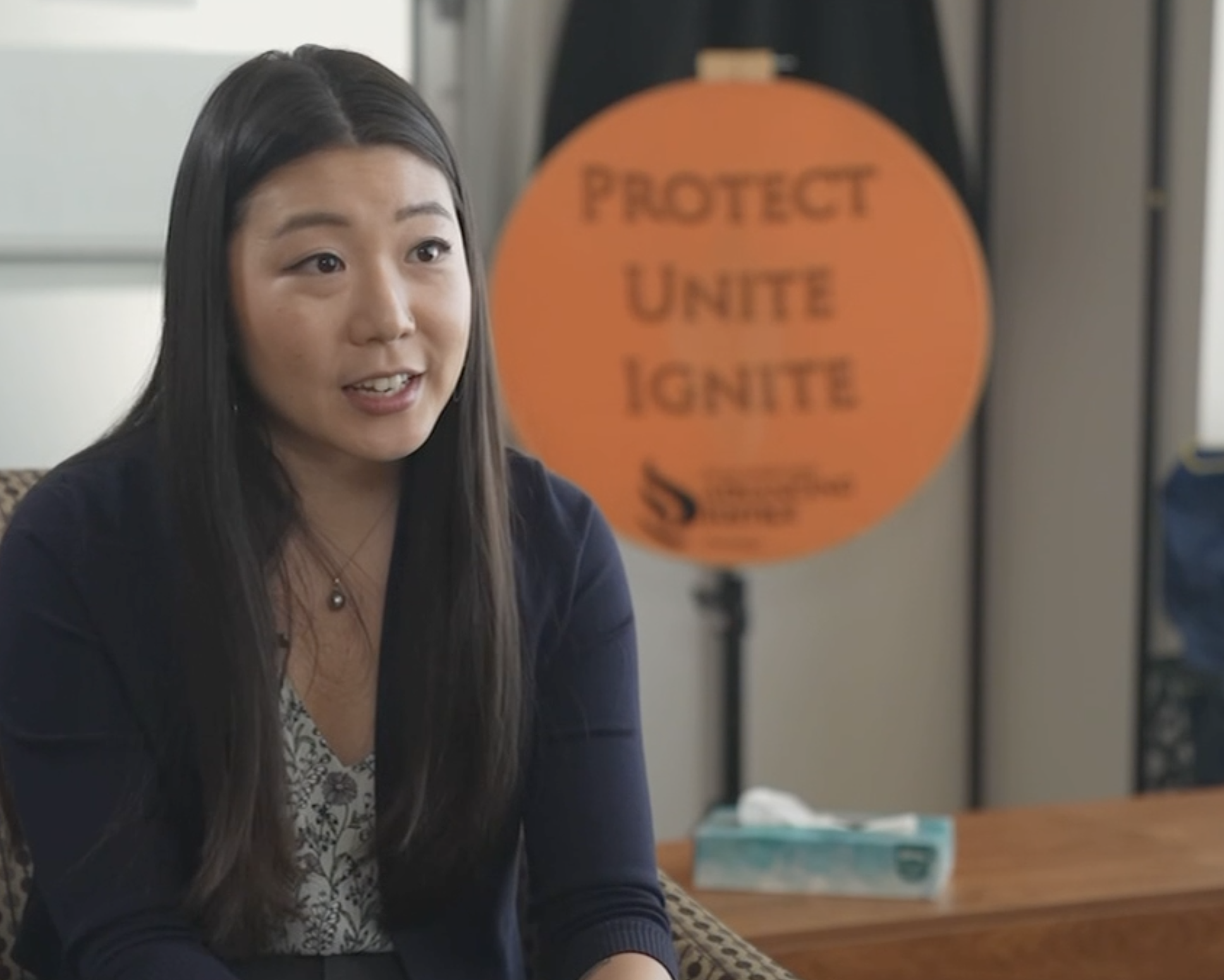
Our Chicago: Changing the Narrative celebrates AAPI Heritage Month
Grace Pai, the executive director of Asian Americans Advancing Justice, made history in 2021 when she led a successful campaign to require Asian American history to be taught at all Illinois public schools, making Illinois the first state to do so.
"We looked at the school code. We looked at what are the requirements on histories that have often been left out," Paid said.
With its historic passage, the Teaching Equitable Asian American History Act (TEAACH) ensures that every public elementary and high school student in Illinois learns about the contributions of Asian Americans and Pacific Islanders to the economic, cultural, social and political development of the United States.
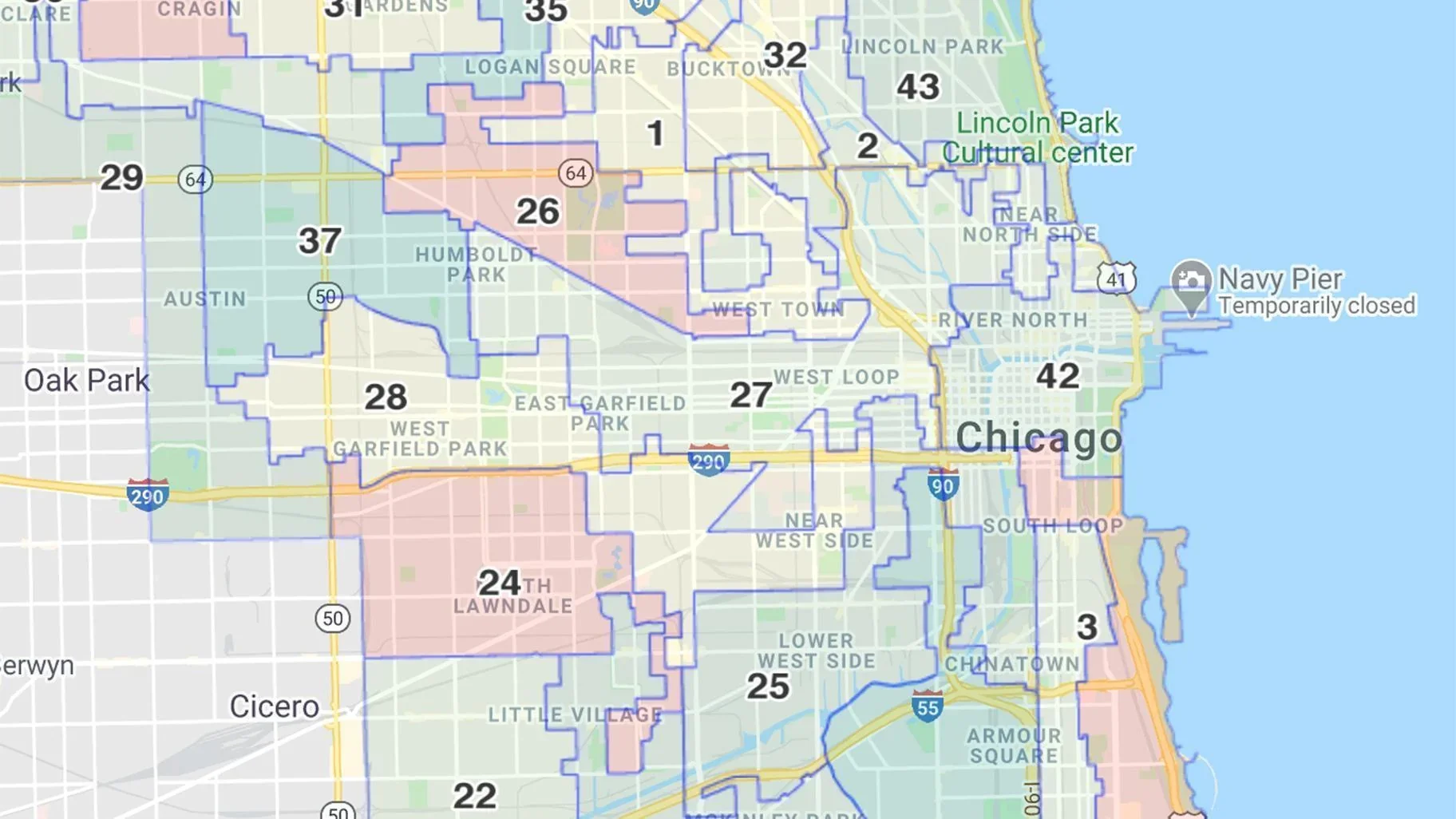
Chicago Ward Map Referendum Will ‘Fan Flames of Racial Division,’ Asian Groups Warn
However, the leaders of the groups warned that the increasing likelihood that the June 28 primary election ballot will ask voters to decide what Chicago’s ward map should look like for the first time in 30 years presents a moment of peril for Asian American residents of Chicago.
Asian Americans Advancing Justice opposes a referendum to decide Chicago’s ward boundaries because it will cause “more harm than good for our communities,” Sia said.
The fact that the ward boundaries are unlikely to be settled until late summer will create additional uncertainty and make it hard for Asian Americans to participate in Chicago’s civic life, Sia said.
“There are plenty of reasons that this referendum in the way that it is set up this year will actually hurt Chicago’s Asian Americans and others who want to actively participate in our democracy.”
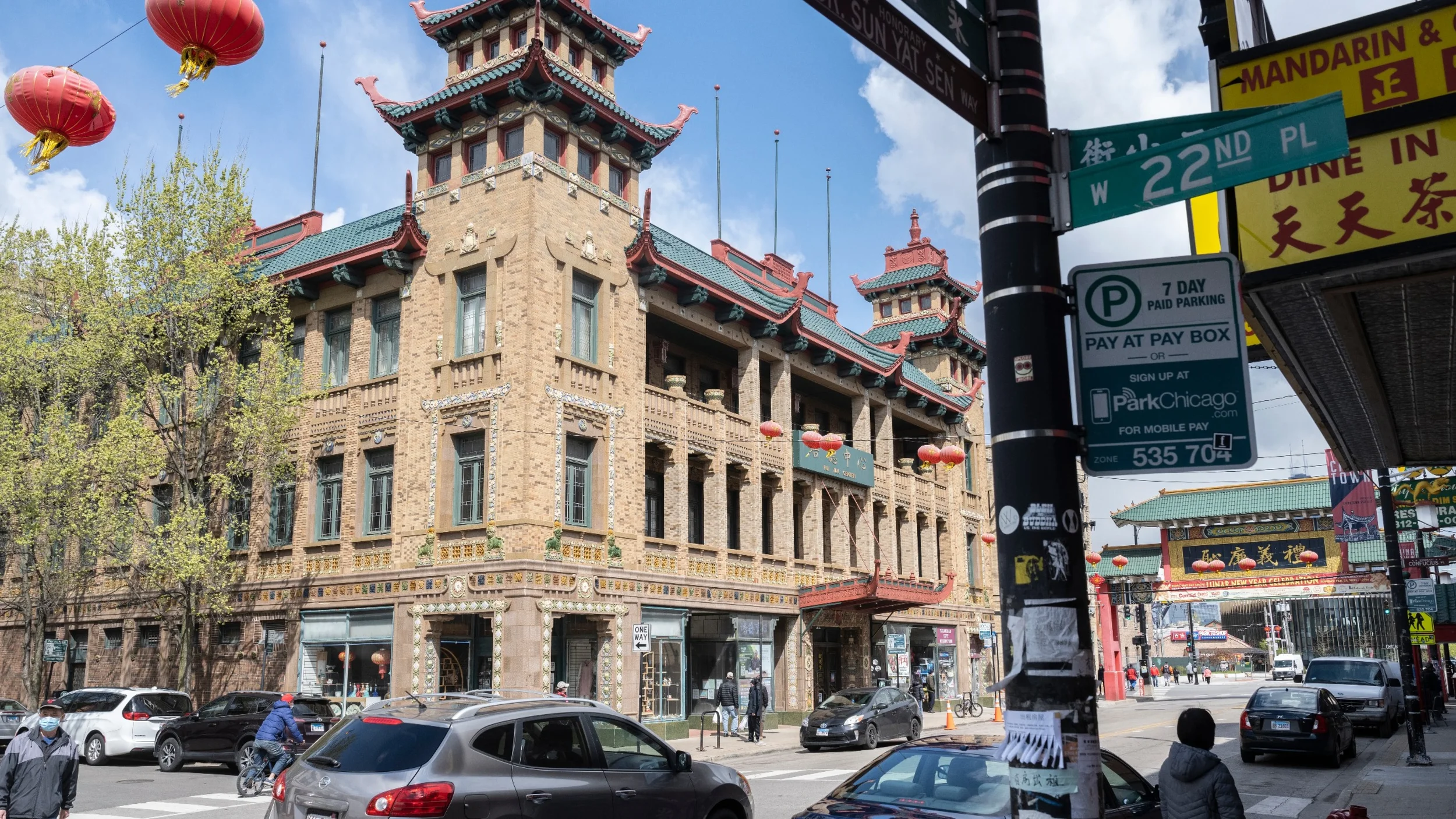
The Numbers Are There To Create A Majority Asian Ward In Chicago — But Will Mapmakers Listen?
Justin Sia, the democracy, voting rights and redistricting counsel at Asian Americans Advancing Justice Chicago, said a ward map that better represents the interests of Asian residents is long overdue.
“Asian Americans represent 7% of Chicago, but they currently represent 0% of seats in the city council,” Sia said.
The Chicago City Council’s first and only Asian American alderman, Ameya Pawar, stepped down in 2019, honoring a self-imposed two-term limit. Pawar had served in the city’s 47th Ward on the North Side.
Sia said Pawar’s departure left a void in City Hall. This year, Sia’s group and others are crunching the data, drawing maps and soliciting aldermanic support for a majority Asian ward — all in service of consolidating voices and seeking better representation.
“When a community’s split into two different wards, that means that the community members have to advocate for the issues that they want to two or more aldermen,” Sia said. “[That] can be really confusing … but also really exhausting and time intensive.”
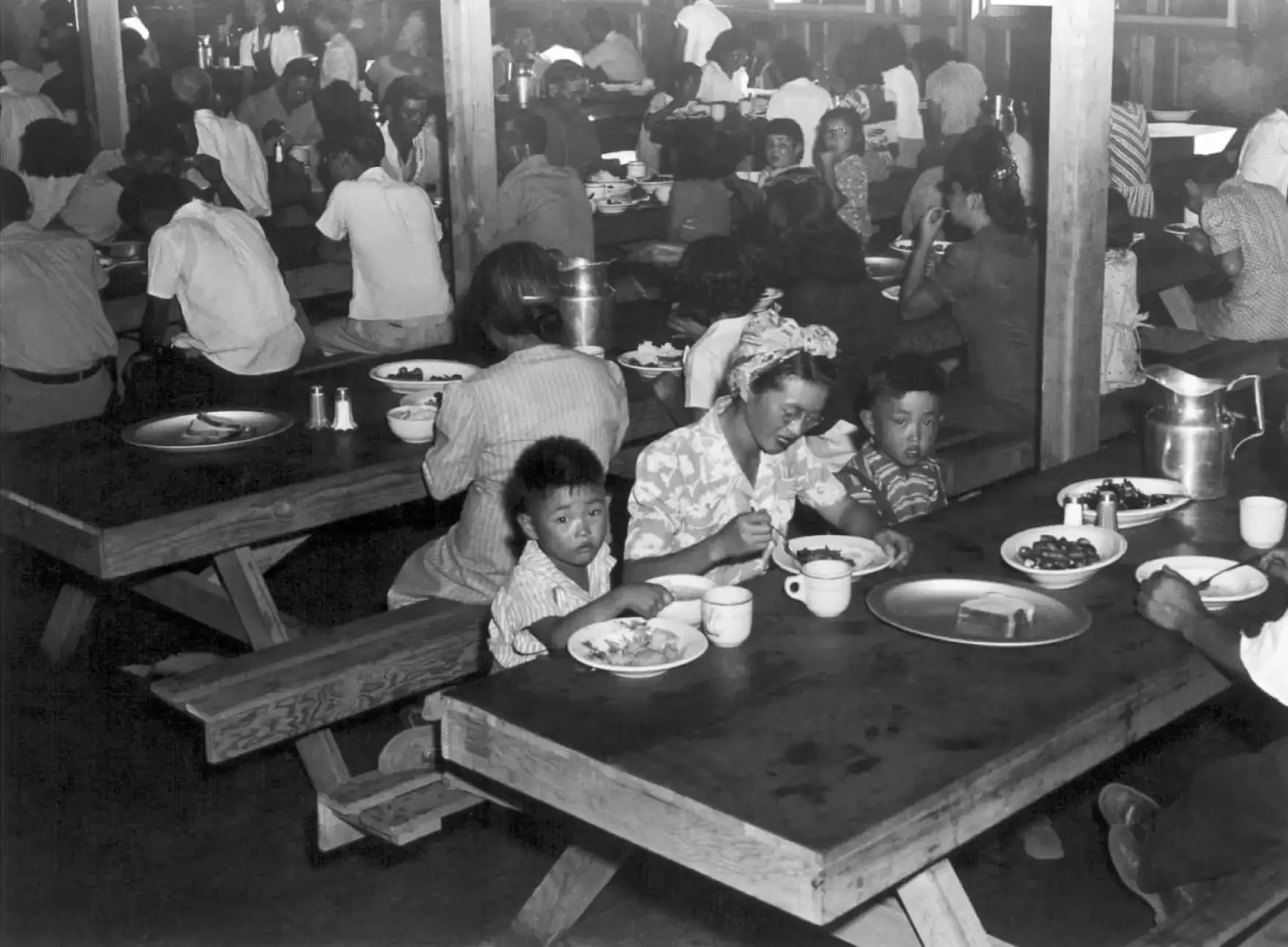
Asian American History Law Aims ‘To Continue To Tell Those Stories And Keep Them Alive’
The organization Asian Americans Advancing Justice – Chicago led a coalition of dozens of groups lobbying for the legislation, including students like Manching. Executive Director Grace Pai says she wants to see a diversity of cultures and ethnicities represented, including refugee stories. And said she wants to see that the information is not monolithic, focused only on East Asia.
Teaching of history and contributions of Asian Americans can dispel harmful stereotypes, said bill sponsor state Rep. Jennifer Gong-Gershowitz, who is a third-generation American of Chinese descent. “And it's about ensuring that Asian American stories are uplifted at a time of rising anti-Asian hate and violence,” said Gong-Gershowitz, a Glenview Democrat. The root cause of discrimination is ignorance, she said, and education is the best weapon to fight against it.
Pai agreed. “It is particularly urgent for our public schools to teach Asian American history now, because of the stark rise in anti-Asian racism and xenophobia that we've seen. “
Anti-Asian racism and xenophobia, she said existed long before the COVID-19 pandemic. “But the political rhetoric, scapegoating, I think, accelerated and intensified violence against the community.“